

Key Takeaways:
- Native trees are more resilient to Waterford’s specific pests and climate swings.
- The White Oak and Sugar Maple provide the best long-term property value.
- Native species support local biodiversity, including essential pollinators and birds.
- Waterford’s soil varies from sandy loam to clay; matching species to site is critical.
- Professional maintenance ensures native saplings establish strong root systems.
Selecting the right tree for your Waterford, MI, property is a decision that impacts your landscape for decades. While exotic species might look appealing in a catalog, they often struggle with Michigan’s rollercoaster weather and specific soil compositions. Native trees, however, have spent millennia adapting to the glacial till and varied loam of Oakland County. By planting native species, you are choosing species that are naturally resistant to local diseases, require less supplemental watering once established, and provide the maximum ecological benefit to our local birds and pollinators.
Waterford’s geography, characterized by its numerous lakes and rolling terrain, results in a mix of well-drained sandy soils near the water and heavier, moisture-retentive clay in the lower elevations. To help you make the best choice for your yard, here are five powerhouse native trees that are perfectly suited for life in Waterford.
1. The White Oak (Quercus alba)
The White Oak is often considered the king of Michigan hardwoods. It is a slow-growing, majestic giant that can live for centuries, making it one of the best investments a Waterford homeowner can make for long-term property value.
Why it thrives in Waterford:
White Oaks are incredibly versatile. They can handle a range of soil types, from the sandy ridges found near Cass Lake to the deeper loams of inland neighborhoods. Their deep taproots make them exceptionally drought-tolerant once they reach maturity.
Landscape Value:
Beyond its strength, the White Oak provides a massive canopy that reduces cooling costs for your home in the summer. Its acorns are a primary food source for local wildlife, and its wood is resistant to the rot that often plagues faster-growing, weaker species.
2. The Sugar Maple (Acer saccharum)
No Michigan landscape is complete without the iconic Sugar Maple. Known worldwide for its spectacular autumn display of oranges, yellows, and reds, this tree is a staple of Oakland County’s natural beauty.
Why it thrives in Waterford:
Sugar Maples prefer the rich, well-drained soils often found in our residential areas. While they don’t love wet feet (permanently saturated soil), they thrive in the consistent moisture levels provided by our local climate.
Landscape Value:
If you want the best fall colors in the neighborhood, this is your tree. It grows with a very symmetrical, dense crown that provides excellent privacy and shade. Because it is a slow-to-medium grower, the wood is much stronger than the brittle Silver Maple, making it safer to plant near structures.
3. The American Beech (Fagus grandifolia)
The American Beech is easily identified by its strikingly smooth, silver-gray bark that remains smooth even as the tree ages. It is a late-succession forest tree, meaning it is a sign of a healthy, established ecosystem.
Why it thrives in Waterford:
The Beech loves the moist but well-drained slopes that characterize much of Waterford’s lake-adjacent topography. It is very shade-tolerant, making it an excellent choice for properties that already have a few mature trees and need understory growth that will eventually take over the canopy.
Landscape Value:
The Beech provides a unique aesthetic with its golden-bronze autumn leaves that often cling to the branches throughout the winter (a trait called marcescence), providing visual interest even in the snow. Its nuts are also a favorite for turkeys and other local wildlife.
4. The Black Cherry (Prunus serotina)
While many people think of ornamental cherries, the native Black Cherry is a tall, hardy forest tree that produces beautiful white flower clusters in the spring and valuable dark fruit in the late summer.
Why it thrives in Waterford:
Black Cherries are highly adaptable and are often among the first trees to colonize open spaces in Oakland County. They handle Waterford’s varied soil pH levels better than most and can tolerate the occasional dry spell once their root systems are set.
Landscape Value:
This is the ultimate tree for bird lovers. The small cherries are a magnet for cedar waxwings and orioles. The bark, which looks like burnt potato chips as the tree matures, adds a unique texture to your landscape design that stands out against common maples.
5. The Eastern White Pine (Pinus strobus)
As the state tree of Michigan, the White Pine is the only evergreen on our list. It is a fast-growing conifer that can reach soaring heights, identifiable by its soft, flexible needles that grow in bundles of five.
Why it thrives in Waterford:
White Pines love the sandy, acidic soils often found near the edges of Waterford’s many lakes. They are excellent at handling the high moisture levels near the water but are also hardy enough to withstand the cold, biting winds that sweep across open lakes in January.
Landscape Value:
If you need a fast-growing privacy screen or a windbreak, the White Pine is your best native option. Its towering height creates a north woods feel right in your backyard, and its soft needles create a peaceful whispering sound when the wind blows.
Caring for native Michigan trees requires a team that understands local biology and soil health. Otto Tree Service has been a pillar of the Waterford and Oakland County community since 2017, providing expert care that goes beyond simple maintenance.
Whether you need a hazardous tree removed, precision trimming to encourage healthy growth, or stump grinding to clear space for a new native planting, our BBB A+ rated team is dedicated to your satisfaction. As proud members of the Waterford and Clarkston Chambers of Commerce, we treat every property as if it were our own. We offer 24/7 emergency services for those unpredictable Michigan storms and provide clear, upfront pricing with free estimates. Trust the local experts who are rooted in your community to keep your landscape vibrant and safe.
Frequently Asked Questions by Homeowners in Waterford, Michigan
Why should I choose native trees over exotic ones?
Native trees are adapted to Waterford’s climate and pests, meaning they typically require less fertilizer, less water, and have a higher survival rate during extreme Michigan winters.
What is the best time of year to plant a new tree in Waterford, Michigan?
Early spring (after the ground thaws) or late fall (after the leaves drop) are the best times, as the cooler temperatures allow roots to establish without the stress of summer heat.
Do native trees grow slower than others?
Some hardwoods, like the White Oak, grow slowly, but this results in much stronger wood that is less likely to break during a storm compared to fast-growing soft trees.
How do I know what kind of soil I have in my yard?
You can perform a simple squeeze test or get a professional soil audit. Waterford varies from sandy soil near lakes to clay-heavy soil in lower elevations.
Does Otto Tree Service help with new tree selection?
While we specialize in maintenance and removal, our expertise in local tree health allows us to advise you on which species will thrive on your specific property.
Are White Pines messy?
They do drop needles and sap, but this organic matter actually helps acidify and improve the soil quality underneath the tree.
Is the Sugar Maple susceptible to any local pests?
They are generally hardy but should be monitored for Asian Longhorned Beetle and certain fungal leaf spots during wet weather in Waterford Springs.
Why is professional trimming important for young native trees?
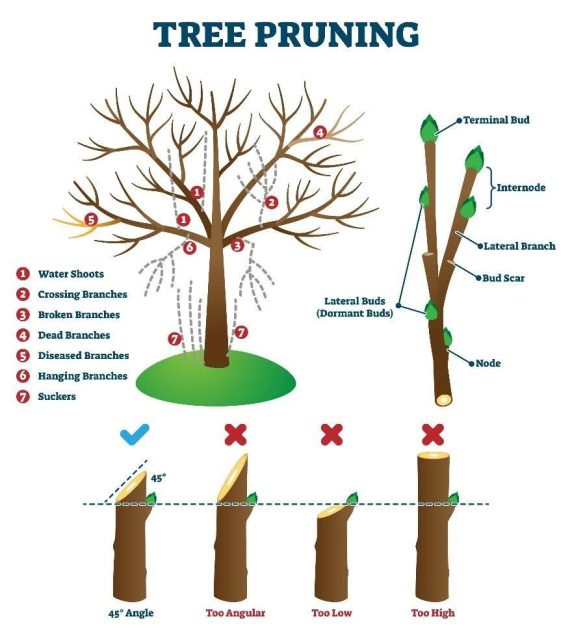
Training a young tree through structural pruning ensures it develops a single, strong leader branch, preventing future splitting or structural failure.
Summary Checklist: Native Tree Selection
| Condition | Risk Level | Recommended Action |
|---|---|---|
| Sandy/Well-Drained Soil | Low | Plant White Pine or White Oak for best results |
| Heavy Clay/Poor Drainage | Moderate | Focus on Sugar Maple or consider soil aeration |
| High Wind Exposure | High | Select strong hardwoods; avoid brittle exotics |
| Limited Backyard Space | Moderate | Opt for American Beech or Black Cherry |
| Full Shade Environment | Low | The American Beech is your most shade-tolerant native option |
Final Advice
Success with native trees in Waterford starts with the Right Tree, Right Place philosophy. Before you dig, observe your property’s drainage patterns and sun exposure for a full day; a Sugar Maple planted in a swampy, dark corner will never reach its full potential, whereas a White Pine will thrive in the sandy, sun-drenched soil near a shoreline. Remember that the first two years are the establishment phase for any new tree; even the most drought-tolerant native species require consistent deep-root watering during their first couple of Michigan summers to ensure their root systems can support them later in life.
Remember to avoid the common mistake of over-mulching; keep the root flare visible to prevent bark rot and ensure the tree can breathe at its base. If you are inheriting a property with mature native giants like White Oaks, treat them as the valuable assets they are. These trees can live for over 200 years, but they are sensitive to soil compaction from construction or heavy machinery. Finally, always consult with a professional service before performing major pruning on native species. Each tree has a specific biological clock, and pruning at the wrong time, such as trimming Oaks during the spring, can leave them vulnerable to diseases like Oak Wilt. By investing in professional care and choosing species that truly belong in Oakland County, you aren’t just planting a tree; you’re building a legacy that will provide shade, beauty, and safety for the next century.
Reviewed by a Licensed Arborist
This article has been reviewed to ensure all information regarding tree biology, native species selection, and soil health meets industry standards.
